UTM Tagging Explained: Smarter Tracking for Local Businesses
You’ve probably asked yourself:
“We’re getting more traffic, but is it from the work we’re doing, or just random?”
UTM parameters add campaign context to visits from tagged links used in local SEO work. They do not identify every source or prove which changes caused customer actions.
If you’ve never heard of a UTM tag before, don’t worry. This guide breaks it down and explains how we use it to show what’s working and what needs improvement.
What’s a UTM Tag
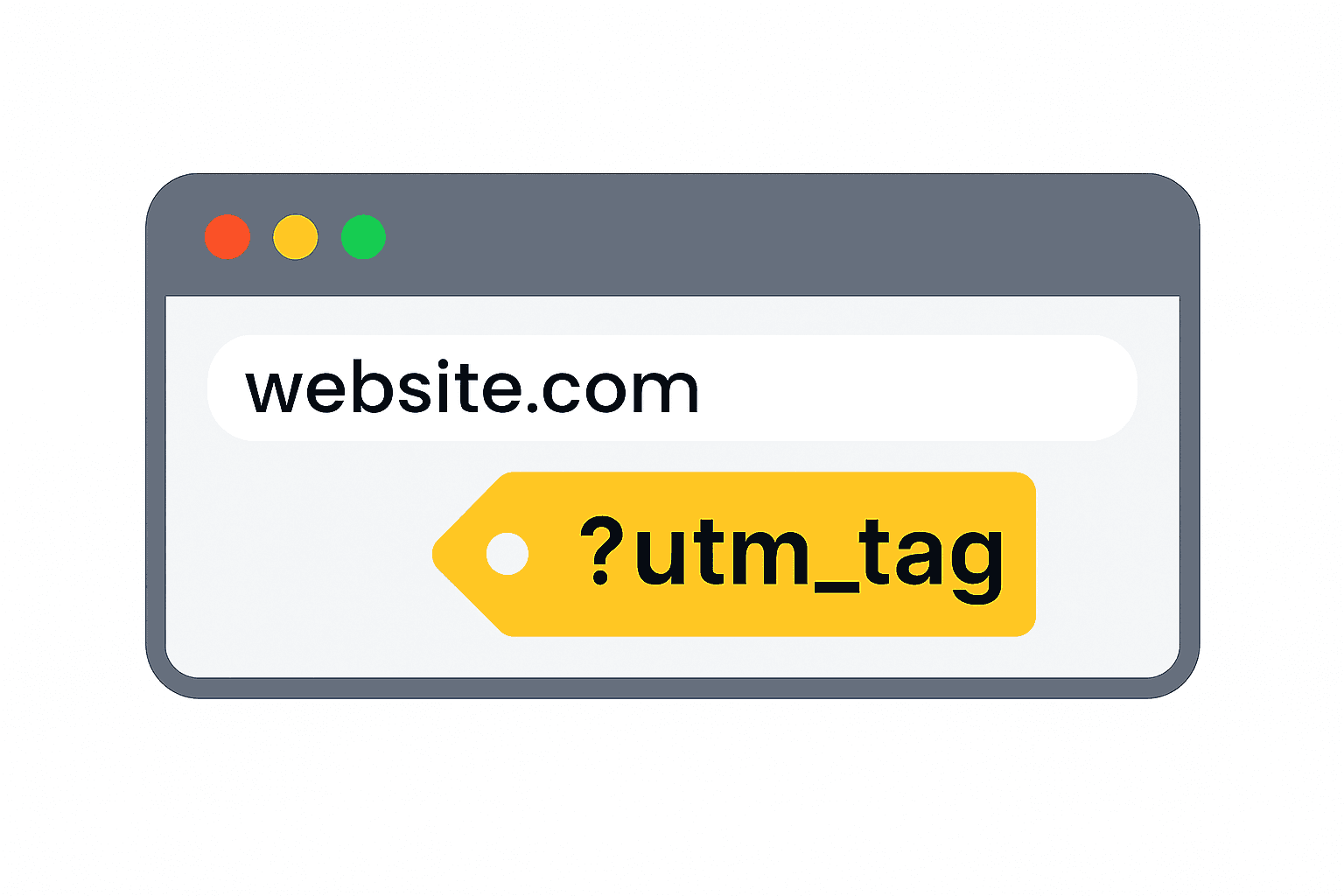
UTM parameters are labels added to an external link so analytics can classify visits from that tagged link. They describe the link’s campaign context; they do not identify every visitor or recover unmeasured activity.
Here’s an example of a URL without a UTM tag:www.localhowl.com
Illustrative Yelp link:https://www.example.com/?utm_source=yelp&utm_medium=referral&utm_campaign=local_listings
Analytics can use those labels to group eligible visits from that link, subject to consent, redirects, tracking coverage and attribution rules.
How We Set It Up at Local Howl
Agree the tagging, analytics access and implementation scope before work begins. A practical process is:
1.We Benchmark Your Current Website Traffic
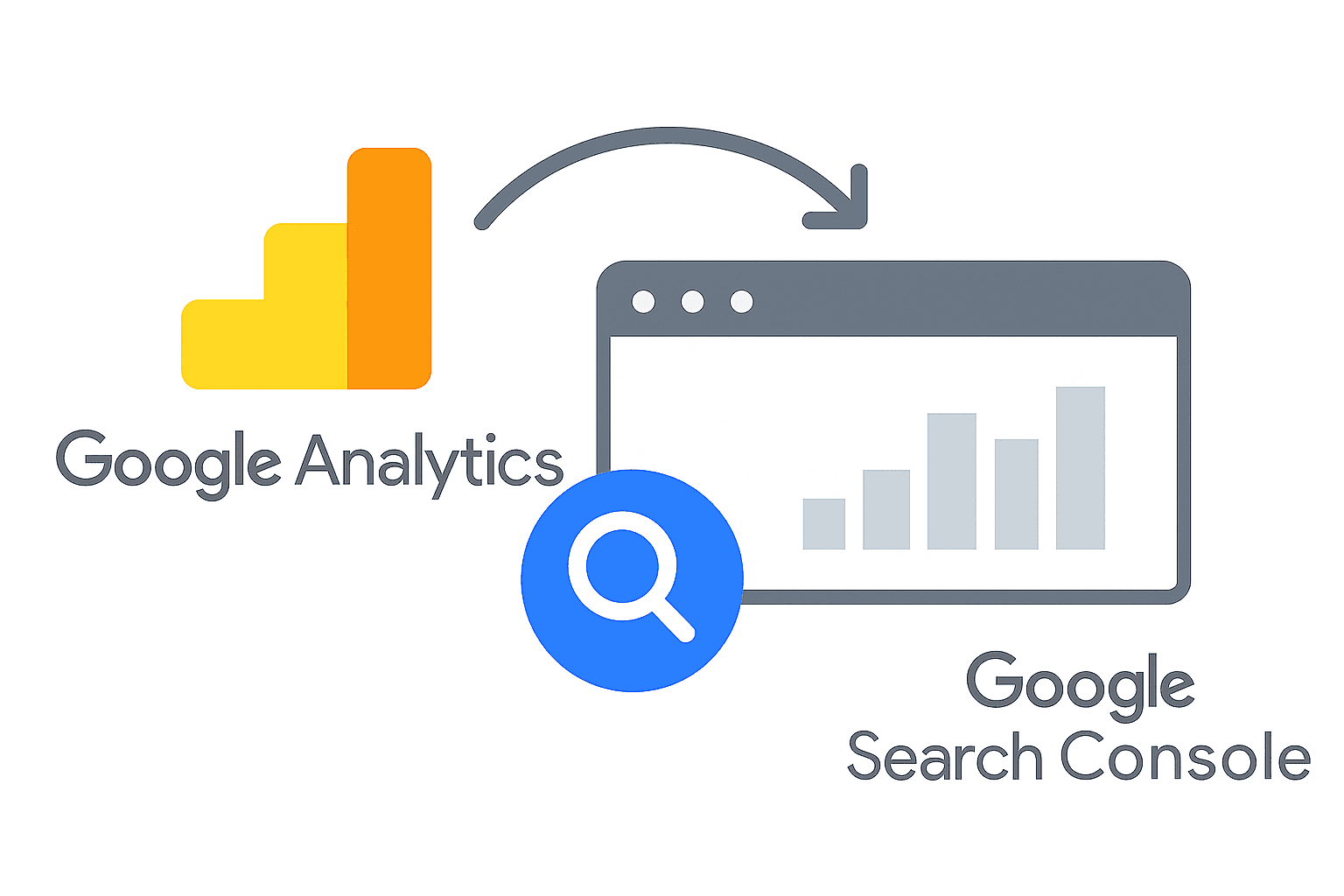
We start by connecting to your Google Analytics and Google Search Console. This helps us see how many people are already coming to your website, and from where.
2. We Tag Your URLs with UTM Parameters
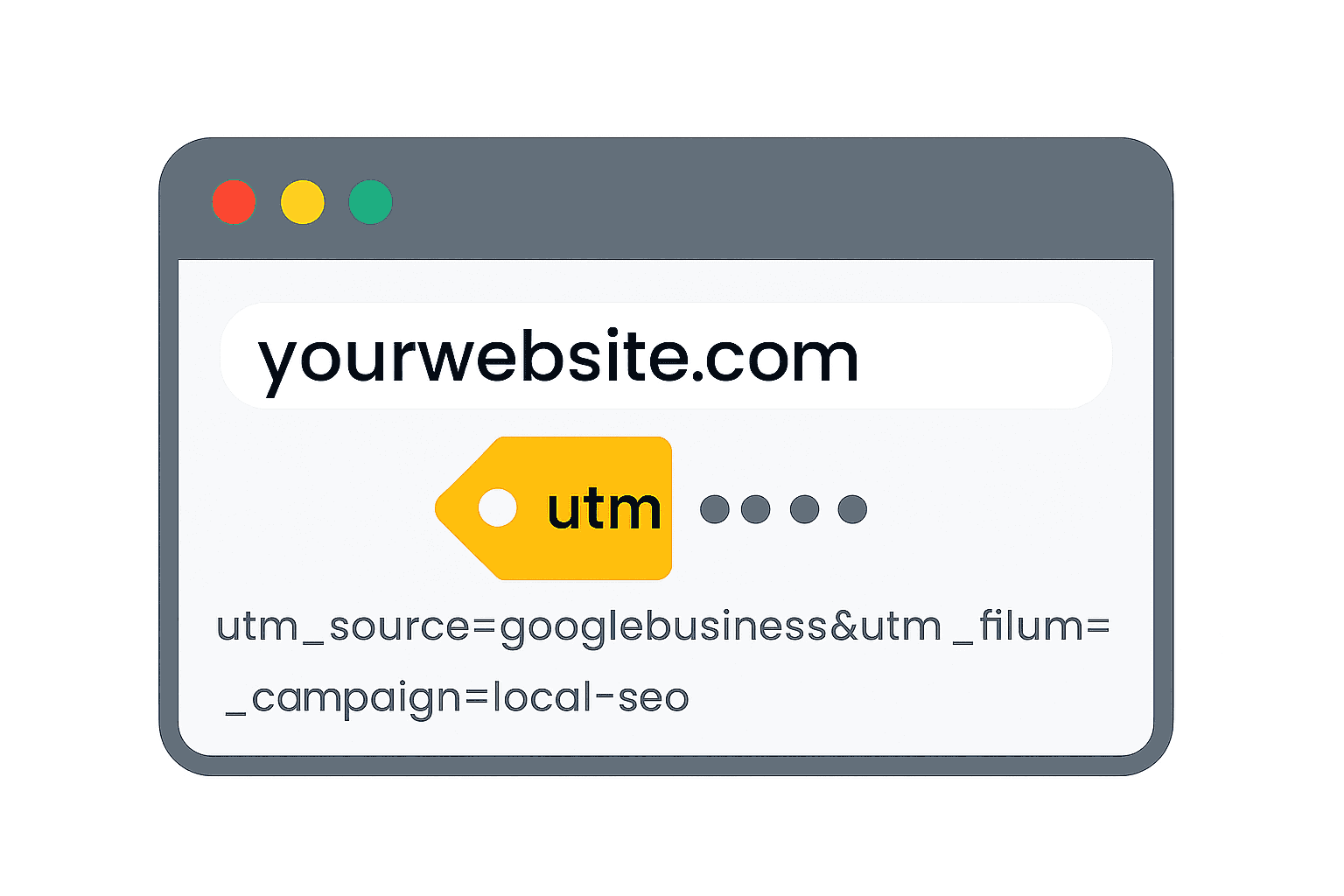
Illustrative Google Business Profile website link: https://www.example.com/?utm_source=google&utm_medium=organic&utm_campaign=gbp
Illustrative BBB website link: https://www.example.com/?utm_source=bbb&utm_medium=referral&utm_campaign=local_listings
These are example conventions, not universal requirements. Keep them consistent with your reporting configuration. Do not put names, emails, phone numbers or other personal information in parameters. Do not add campaign UTMs to internal links within your own website.
Use a distinct, consistent source label for each platform. Reusing one Google Business Profile URL across Yelp, BBB and Apple Maps would prevent meaningful platform separation.

3. Update Supported Listing Links
Apply the appropriate tagged link on platforms that support it, then test that redirects preserve the parameters and the destination loads. Record accepted updates and unchanged listings within your local SEO footprint. Coverage is not automatic or complete.

4. We Track Conversions Too
Everything we do is designed to make your business more visible and discoverable. UTM tracking takes it a step further by showing what happens after someone finds you.
Whether your goal is:
Phone calls
Form fills
Service bookings
Free class signups
Menu views or reservations
Configured events can report measured interactions associated with eligible tagged visits. Reconcile actual received requests and customers separately, and disclose activity that tracking cannot attribute.
What’s the ROI of a Website Click?
Knowing how many clicks you’re getting is one thing. But what’s the value of those clicks?
We’ll help you figure that out using simple math:
How many site visits turn into real customers?
How much is each customer worth to you?
How many actions does it take to land one sale?
Illustrative example—not a client result:
You get 10 phone calls per 100 visitors
1 out of 10 books your service
That customer is worth $1,000
$1,000 ÷ 100 = $10 in customer value per website visit before costs
This is customer value per website visit, not $100 per visit or a verified return on investment. If the $1,000 is lifetime value, it is not revenue earned during the reporting month.
To evaluate return, use your own received inquiries, customers, attributable revenue or margin, and acquisition costs. Platform clicks and call-button interactions are not the same as answered calls or booked work.
See What Your Website Visitors Are Really Doing
With UTM tracking, you’re not just getting traffic, you’re getting answers.
Where did they come from?
Did they book a service?
How many clicked the “Call Now” button?
Are your new listings performing better than your old ones?
Combining supported call-tracking and analytics data can reveal additional parts of the customer journey, subject to consent, tracking coverage and attribution limits. Review local SEO reporting for the source definitions and distinctions.

If you’ve never heard of a UTM tag before, don’t worry. This guide breaks it down and explains how we use it to show what’s working and what needs improvement.
What’s a UTM Tag
UTM parameters are labels added to an external link so analytics can classify visits from that tagged link. They describe the link’s campaign context; they do not identify every visitor or recover unmeasured activity.
Here’s an example of a URL without a UTM tag:www.localhowl.com
Illustrative Yelp link:https://www.example.com/?utm_source=yelp&utm_medium=referral&utm_campaign=local_listings
Analytics can use those labels to group eligible visits from that link, subject to consent, redirects, tracking coverage and attribution rules.
Why Does UTM Tracking Matter?
It helps you answer big questions like:
Which directories are actually sending traffic to your website?
What happens after someone clicks a link on your Google Business Profile or Yelp listing?
Which tagged sources are associated with measured calls, form submissions or bookings?
UTM labels add campaign context to analytics. Untagged referrals and organic search can still provide useful source information; no single tracking method gives a complete account of customer activity.
How We Set It Up at Local Howl
Agree the tagging, analytics access and implementation scope before work begins. A practical process is:
1.We Benchmark Your Current Website Traffic
We start by connecting to your Google Analytics and Google Search Console. This helps us see how many people are already coming to your website, and from where.
2. We Tag Your URLs with UTM Parameters
Illustrative Google Business Profile website link: https://www.example.com/?utm_source=google&utm_medium=organic&utm_campaign=gbp
Illustrative BBB website link: https://www.example.com/?utm_source=bbb&utm_medium=referral&utm_campaign=local_listings
These are example conventions, not universal requirements. Keep them consistent with your reporting configuration. Do not put names, emails, phone numbers or other personal information in parameters. Do not add campaign UTMs to internal links within your own website.
Use a distinct, consistent source label for each platform. Reusing one Google Business Profile URL across Yelp, BBB and Apple Maps would prevent meaningful platform separation.
3. Update Supported Listing Links
Apply the appropriate tagged link on platforms that support it, then test that redirects preserve the parameters and the destination loads. Record accepted updates and unchanged listings within your local SEO footprint. Coverage is not automatic or complete.
4. We Track Conversions Too
Everything we do is designed to make your business more visible and discoverable. UTM tracking takes it a step further by showing what happens after someone finds you.
Whether your goal is:
Phone calls
Form fills
Service bookings
Free class signups
Menu views or reservations
Configured events can report measured interactions associated with eligible tagged visits. Reconcile actual received requests and customers separately, and disclose activity that tracking cannot attribute.
What’s the ROI of a Website Click?
Knowing how many clicks you’re getting is one thing. But what’s the value of those clicks?
We’ll help you figure that out using simple math:
How many site visits turn into real customers?
How much is each customer worth to you?
How many actions does it take to land one sale?
Illustrative example—not a client result:
You get 10 phone calls per 100 visitors
1 out of 10 books your service
That customer is worth $1,000
$1,000 ÷ 100 = $10 in customer value per website visit before costs
This is customer value per website visit, not $100 per visit or a verified return on investment. If the $1,000 is lifetime value, it is not revenue earned during the reporting month.
To evaluate return, use your own received inquiries, customers, attributable revenue or margin, and acquisition costs. Platform clicks and call-button interactions are not the same as answered calls or booked work.
See What Your Website Visitors Are Really Doing
With UTM tracking, you’re not just getting traffic, you’re getting answers.
Where did they come from?
Did they book a service?
How many clicked the “Call Now” button?
Are your new listings performing better than your old ones?
Combining supported call-tracking and analytics data can reveal additional parts of the customer journey, subject to consent, tracking coverage and attribution limits. Review local SEO reporting for the source definitions and distinctions.
See What Your Website Visitors Are Really Doing
With UTM tracking, you’re not just getting traffic, you’re getting answers.
Where did they come from?
Did they book a service?
How many clicked the “Call Now” button?
Are your new listings performing better than your old ones?
Combining supported call-tracking and analytics data can reveal additional parts of the customer journey, subject to consent, tracking coverage and attribution limits. Review local SEO reporting for the source definitions and distinctions.
Let’s Make Your Website Data Work Smarter
Use consistent link labels and defined events to compare measured activity. Received requests and qualified customers still need separate verification.