
Local Howl reviews structured data against your published business facts and page content. The work identifies missing, inaccurate or conflicting markup and separates code recommendations from implementation.
What is Schema, Really?
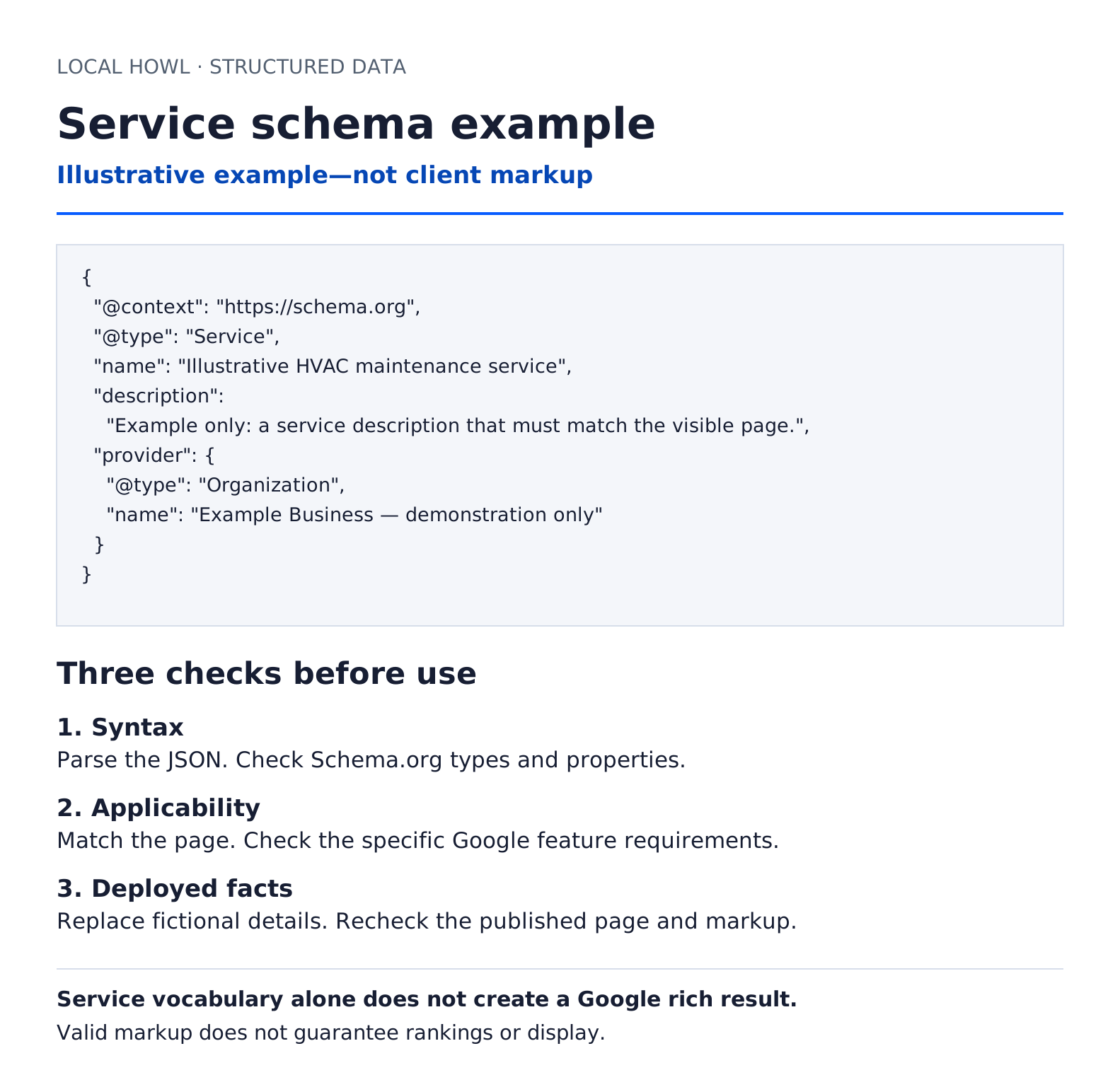
Schema markup gives search engines structured context about page content, such as business details, services and opening hours. It should describe facts visitors can find on the page. Structured data is not required for every page to rank. Eligibility for a search feature depends on its requirements and does not guarantee display. Illustrative validation example—not client results: after a phone-number change, compare visible contact details with LocalBusiness markup, correct the mismatch and validate the deployed page. This verifies the checked markup—not a ranking gain. Read the code example below for a labelled demonstration and validation steps.

Full Schema Audit
We compare existing markup with verified business details and visible page content. Check applicable fields, syntax, outdated information and conflicts; not every page needs every schema field.
Code Delivery or Implementation
Confirm whether your agreed scope covers code delivery or implementation in your website. UTM parameters track link attribution; they are not a method for deploying structured data.
Page-Specific Schema Matching
Schema is matched to what’s on your pages, whether that’s your homepage, services, FAQ, menu, or reviews.
DIY-Ready Code or Done-for-You Support
Agree who supplies verified business details, approves the markup and makes website changes. Code delivery and implementation are different responsibilities; confirm what your plan includes.

Schema Adds Context to Your Content
Structured data can clarify published business details and eligible page content. It does not change your distance from a searcher. Valid markup does not guarantee higher rankings, review stars or another search feature. For broader context, see our guide to local ranking factors.

Make Your Structured Data Accurate
Review your existing markup, identify factual conflicts and agree on code delivery or implementation. Validate the deployed page and record what was checked.
Schema Audit FAQ

What is schema markup?
Schema markup provides structured context about the information on a page. It should describe real, visible business details or content using an applicable vocabulary.
Why does my website need a schema audit?
An audit compares existing markup with visible content and verified business facts, checks syntax and flags inaccurate or conflicting data. Missing markup is not automatically a ranking problem.
How does schema markup help my local SEO?
It provides structured context about published information. Google may use eligible markup for supported features, but accurate markup does not guarantee rankings or display. Self-serving LocalBusiness reviews are not eligible for Google review stars.
What does Local Howl’s schema audit check for?
We review applicable types, business details, page content and conflicting or outdated fields. The recommended markup must match the page and meet relevant eligibility rules; review ratings should not be added automatically.
Do I need to know coding for schema markup?
Confirm whether your agreed scope includes code delivery or implementation. A developer may be needed for your CMS. Preserve a recoverable version, avoid duplicate markup and validate the deployed page.
Will adding schema markup change how my website looks?
JSON-LD normally adds machine-readable data without changing visible page design. Implementation still needs testing to avoid duplicate code, syntax errors or unintended page changes.
Is schema markup only for Google?
Schema.org is a shared vocabulary used by multiple systems. Each search engine supports its own features and requirements; markup does not guarantee display across platforms.
How often should schema markup be updated?
Review markup when business facts, page content, templates or applicable requirements change. Recheck the deployed output after website updates and investigate validation errors.
Will schema markup immediately boost my rankings?
No. Structured data is not an instant ranking boost. Correct markup supports accurate interpretation and applicable search-feature eligibility; neither a ranking gain nor display is guaranteed.
What types of schema are important for local businesses?
The type must match the actual page and business. LocalBusiness may describe a business, while other types describe appropriate content. Service vocabulary does not itself create a Google rich result; review markup has additional eligibility limits.