
Our local citation service corrects business details, addresses duplicate listings, and builds relevant directory profiles. Start with an audit to identify gaps; cleanup and submissions follow the agreed scope.

Accurate listings help customers reach the right location, phone number and website. Relevant coverage can support discovery; listing count alone does not establish ranking strength. Identify relevant platforms and existing records, then confirm business details before requesting corrections. Competitor listings suggest sources to investigate, but do not prove eligibility or explain ranking differences. Check relevance, requirements and costs before agreeing on the work.








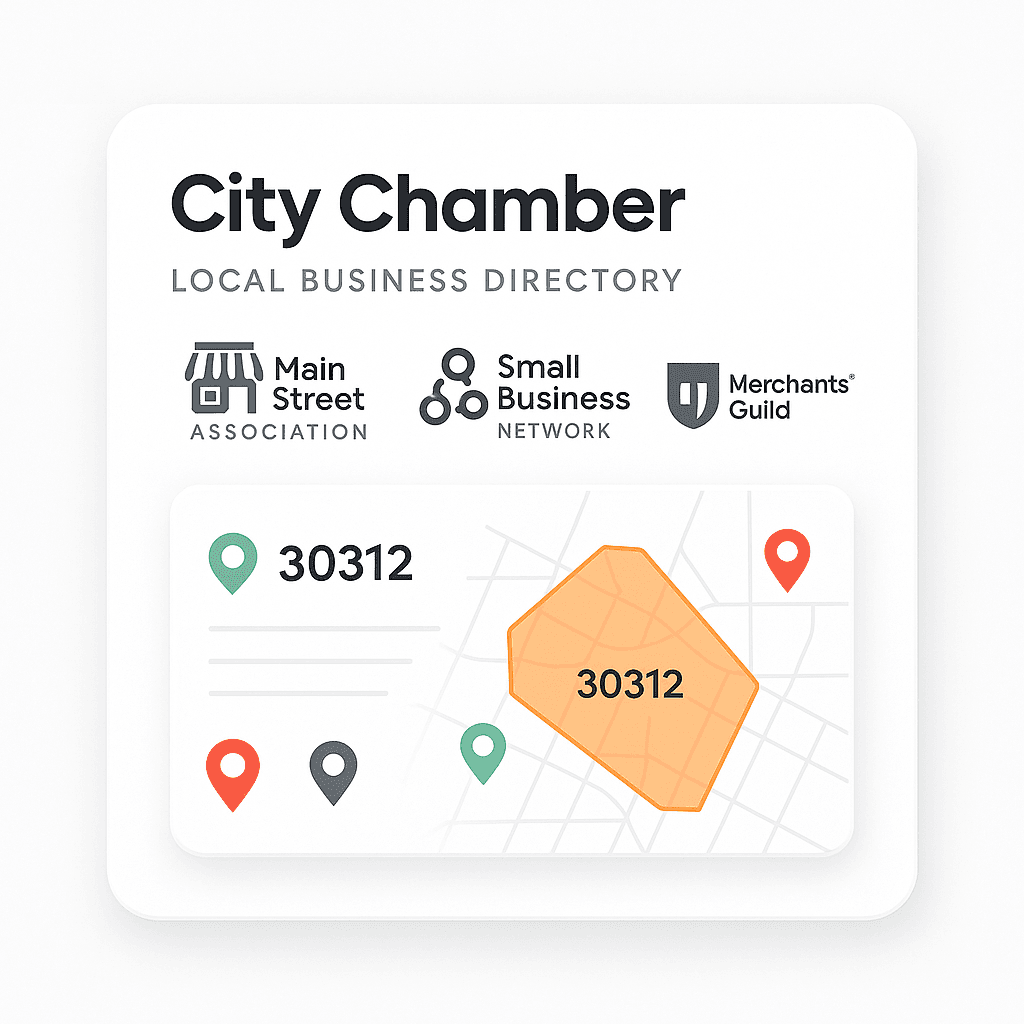

What to Check for Each Listing Type

What We Fix
Wrong contact details and confusing duplicates can send customers to the wrong place. Investigate the specific record and its impact rather than assume one discrepancy explains a ranking change. We check:
Duplicate listings
Outdated information
Inconsistent NAP across platforms
Missing or unclaimed profiles
Gaps in industry or location-specific directories
Illustrative workflow—not a client listing: An example directory shows an old phone number. Confirm the current number with the owner first. Status: Owner confirmation needed. After requesting the correction, record Submitted—awaiting platform review. Mark Verified live only after checking the published record and recording the check date. This is not work already completed for a customer.
Separate the Work Before It Starts

New Listing Submissions
New submissions: Check whether a suitable profile already exists and whether the business is eligible. Record the information to submit, any fees and required owner verification. The platform controls acceptance; a submission is not a verified live listing.
Listing Corrections
Corrections: Compare the observed listing with owner-confirmed business information. Request the agreed changes, record submission and approval status, then recheck the published record. The citation audit identifies issues; cleanup implements the agreed corrections.
Duplicate-Resolution Requests
Duplicate-resolution requests: Document the suspected duplicate and identify the correct profile. Request removal or merging where appropriate, following platform rules. The platform decides the outcome; track pending requests separately from confirmed resolutions.
Maintenance: Review listings after business changes and at agreed intervals. Keep completed, pending, rejected and owner-action items separate. A local competitor analysis can suggest relevant sources to investigate; competitor coverage does not prove eligibility or ranking causation.
Get Listed Where It Counts.
Review inaccurate records and relevant coverage gaps, then choose the corrections and submissions that fit your business.
Tracking and additional directory work should be scoped separately. Confirm what is included, what requires owner access or approval, and which costs are charged by third-party platforms. No listing service can exclude competitors from search results or guarantee a top-three position. Tracking options are outlined below.
Website Analytics
Analytics can report configured website activity from eligible visits. Received requests and customers require separate verification, and consent or tracking gaps can limit attribution.
Website Activity Tracking
(Middle of Funnel)
Use consistent platform-specific UTM labels where supported to compare measured visits from external listings. Do not add personal information to tracking URLs.
Phone Call Tracking (Bottom of Funnel)
If call tracking is included and configured, compare recorded calls with the available source data. A call-button click does not establish that a call connected or became a qualified request.

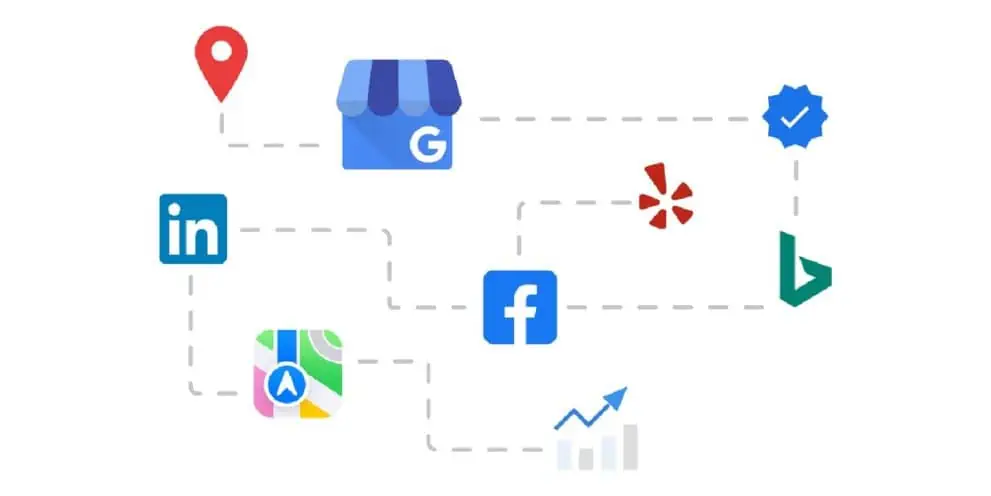
Citation Upgrades
Additional directory work depends on relevance, eligibility and the agreed plan. Paid listing or membership costs and implementation fees should be identified before work begins. Custom directory requests need an eligibility and scope check. Confirm the implementation fee, any platform charge and the approval requirements before authorizing the submission.
Citations FAQ

How is citation building different from a citation audit?
An audit records existing listings, discrepancies, possible duplicates and relevant gaps. Building and cleanup are the separate implementation tasks: submissions, corrections and duplicate-resolution requests within an agreed scope.
Why do business citations matter for local SEO?
Accurate listings help customers find and contact the right business and give search engines consistent business information. Citations support a broader local SEO strategy; directory count alone does not guarantee higher rankings.
How can inconsistent listings hurt my business?
Wrong numbers, old addresses and confusing duplicate records can prevent customers from reaching the right business. Check which details are substantively incorrect; a discrepancy alone does not prove why a page or profile ranks where it does.
What does citation implementation include?
The agreed scope should identify the platforms and tasks covered, which information requires owner confirmation, who manages access, and how completion is verified. Audit findings, submitted requests and changes confirmed live should be reported separately.
How many directories will you check or fix?
The platform list depends on the business, eligibility and agreed plan. Confirm the actual sources before purchasing. We do not promise every directory accepts a submission or that a fixed number of listings produces a ranking.
Do I need to provide a list of all my listings?
You can provide known listings, past business details and access information you already control. Research can identify additional records, but owner confirmation or platform verification may still be necessary before a change is possible.
Can I clean up my business listings on my own?
Yes. You can request corrections through the platforms you can access. Keep a record of the issue, submitted change and verification result. A managed service can help organize the work, but platform approval remains outside the provider’s control.
How long does a citation audit and cleanup take?
Timing varies by scope, owner verification and platform review. Separate the target date for submitting work from the date changes are confirmed live; ask for the current status of each pending item rather than assume all directories update together.
Will fixing my citations really improve my local SEO?
Accurate, relevant listings support customer discovery and consistent business information. They are one part of local SEO, not a guarantee of higher rankings; relevance, distance, competition and other evidence still matter.
How often should I audit or update my business citations?
Recheck important listings after changes to the business name, contact details, address, hours or services, and at the maintenance interval agreed for your plan. Prioritize records that customers actually use and issues that remain unresolved.