Local Citation Checklist: Audit and Verify Listings
Use this checklist to review where your business is listed, whether its details are accurate, and which records need attention. Start with customer-facing errors and relevant directories. Record proposed changes separately from verified live updates; a citation alone does not prove why a business ranks.
What Is a Citation in Local SEO?
A citation is an online mention of identifying business information, commonly its name, address and phone number. It may include a website link, but a citation and a backlink are not identical. Check each mention against confirmed business details.
There are 2 types to check off your local citation checklist:
Structured
Directory profiles display business details in defined fields. Examples include Yelp, Bing, Apple Maps, and Yellow Pages — check each record’s accuracy and relevance. Inclusion does not guarantee ranking credit.
Unstructured
Articles, press coverage and community resources can mention a business outside a directory template. Check the context and facts; a mention is not automatically an endorsement.
How Local Howl Classifies Citations
(Beyond the Basics)
While the SEO industry uses structured/unstructured to define format, we go further by grouping structured citations into three categories to organize a review. Not every directory is relevant or appropriate for every business:

General Business Platforms
Widely used platforms such as Google, Yelp and Apple Maps; verify eligibility and supported details.

Geo-Based Citations
Regional or city-specific directories like local chambers or neighborhood business networks

Industry Citations
Trade-specific directories like Houzz (home services), Avvo (legal), or Healthgrades (medical)
This layered classification helps us prioritize the citations that matter most, based on your industry, your geography, and your competitive landscape.
What Directory Visibility Can Tell You

People may find your business through directories as well as your website. BrightLocal’s October 2024 study classified 8,000 top-ten organic result entries from 800 searches across 20 US cities and 20 business categories. Directories accounted for 31% of those entries. This is a share of results in a historical sample, not clicks, customers or your lost visibility. AI Overviews were excluded. Review current relevant results before selecting directories.
Citations and Google’s Core Local Ranking Factors
Relevance
Are you clearly aligned with what the searcher is looking for?
Distance
How far is the business from the person searching?
Prominence
Is your business visible and mentioned often across trusted websites?
Local Howl’s Smarter Approach to Citations
We don’t take the lazy route. Dumping your business info into hundreds of random directories might feel productive, but it rarely works.
Instead, we use proven citation building tips that prioritize strategy:
Step 1: We’ll Audit Your Existing Citations
A citation audit records listings and discrepancies. Confirm the platforms included and the business details before choosing corrections. Review:
Outdated or inconsistent NAP data
Duplicated listings across platforms
Unclaimed or missing profiles
Listings with incorrect categories or website URLs
Step 2: Competitive Citation Mapping
Next, we analyze the businesses ranking above you for your top keywords. Tools and manual checks reveal citation sources, not every mention. Compare relevant sources with verified records to identify:
Where your competitors are gaining ground
Which top citation sites are most common among top performers
What citation opportunities you’ve missed
A difference is a lead to investigate, not proof of why a competitor ranks.
Step 3: Request and Verify Citation Changes
Confirm the facts and agreed platforms before requesting changes:
Request corrections for verified errors on agreed platforms
Claim or submit eligible records where needed and permitted
Consider relevant regional or trade directories individually
Ask publishers to review verified duplicates; preserve legitimate locations
Add accurate categories, descriptions, real photos and supported contact links
For citation building and cleanup, record each requested correction and recheck the public listing. A request is not a completed correction; publisher requirements and update times vary.
Step 4: Monitor, Refresh, and Expand
Citations aren’t one-and-done. Business info changes. Directories decay. Competitors evolve.
Agree which maintenance tasks and review dates are included:
Rechecks on agreed dates and after business details change
Monitoring for new duplicates or inconsistencies
UTM labels for measured visits where supported
Where Most Businesses Get It Wrong
These citation errors can misdirect customers or complicate listing management. Investigate them rather than assuming they explain a ranking change.
❌ Submitting to low-quality or irrelevant directories
❌ Using different tracking numbers across platforms without consistency
❌ Leaving old addresses live on forgotten profiles
❌ Ignoring unstructured opportunities like community blogs or niche press
❌ Failing to monitor listings after the initial submission
A wrong number can prevent a customer reaching you. Verify the facts and fix the error without assuming a measured ranking penalty.

What Makes Local Howl Different?
A useful citation work record separates confirmed facts, recommended actions and verified changes. Ask what is included before work begins.
That means:
Proposed actions tied to agreed business information and scope
A work record showing requested and verified changes
Observed competitor sources recorded with check dates
Directories evaluated for relevance, eligibility and customer use
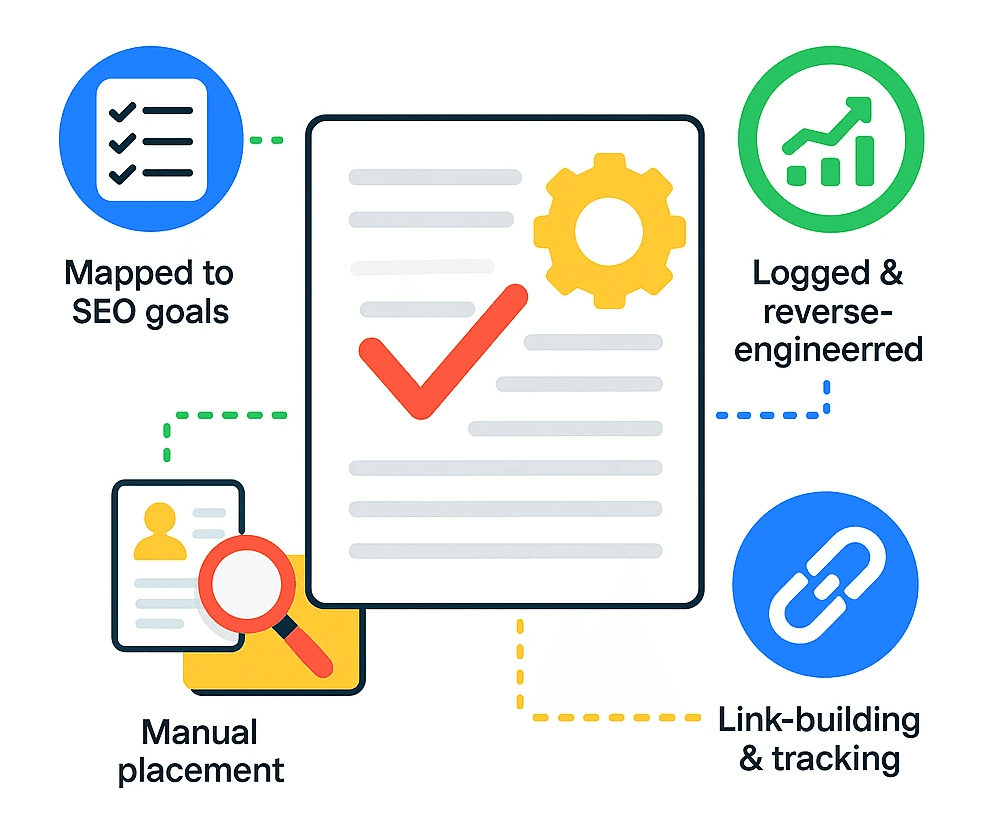
Additional work requires agreed scope. Paid promotion is not purchased ranking credit; sponsored links need appropriate qualification. Options may include:
Manual placement in niche or paid directories
Tracking setup using UTM tags and call monitoring
Assess paid directories for relevant customers, not ranking credit
Use the checklist to document work and keep important business records accurate.
Small Signals, Big Results
Accurate listings help people check your business details. Prioritize relevant sources and verify changes; listing work does not guarantee search positions.
Correct confirmed errors where customers encounter the business, then measure later search visibility and customer activity separately.
Your Local Citation Checklist At A Glance
✔︎ Check ownership and eligibility on relevant major platforms
✔︎ Compare important business details with owner-confirmed facts
✔︎ Verify suspected duplicates before requesting changes
✔︎ Evaluate geographic and trade directories for the actual business
✔︎ Add accurate supported categories, photos, descriptions and contact links
✔︎ Research relevant competitor sources without assuming completeness or causality
✔︎ Agree review dates and recheck after material business changes
✔︎ Consider useful community or editorial mentions without purchasing ranking links
Which listings are helping or hurting your business?
Review observed listing errors, confirm the right information and prioritize corrections.