Local SEO Backlinks and Domain Authority: What to Evaluate
You might have heard that backlinks are important, but you may not totally understand how they work, or what “domain authority” even means. Don’t worry, you’re not alone. Most small business owners know that visibility is key, but what actually drives it, sometimes isn’t as obvious.
Let’s break it down for you.
When Link Problems Need Investigation
A third-party toxicity label does not prove Google has penalized a site. Google says most sites do not need its disavow tool and warns that incorrect use can harm search performance. Investigate the actual links and their history before recommending removal or disavow.
Investigate substantial artificial or manipulative links, especially if the business or a former provider arranged them. Examples that warrant review include paid ranking-link networks, automated placements and exchanges intended to manipulate search results. An unfamiliar domain, foreign location or low tool score alone does not prove a link is harmful.
Google’s disavow guidance applies when a considerable number of spammy, artificial or low-quality links has caused, or is likely to cause, a manual action. In that situation, first try to remove the problematic links. Consider disavow only after a qualified review of the evidence and prior actions.
How to Earn Relevant References
Useful references can come from legitimate local organizations, industry resources, partners and publishers. Start with a resource or business contribution worth referencing, then approach a relevant person with a specific reason it helps their audience.
Research and Individual Outreach
Check the organization’s audience, existing resource and editorial requirements. Explain what your contribution adds without requiring a particular anchor phrase or promising a ranking result. Keep a record of the source, contact, response and placement status.

Review a small set of relevant opportunities individually. A publisher may decline, request changes or choose not to link; outreach volume does not guarantee placements or rankings. Follow up appropriately and record what was actually published, including the destination and any sponsorship qualification.
Paid Promotion Is Different
Sponsorships and advertising can have business value, but they must not be presented as purchased ranking credit. Paid links should be appropriately qualified, such as with rel="sponsored" or nofollow. Avoid link networks, bulk placements and exchanges intended to manipulate rankings.
What Makes a Backlink Valuable?
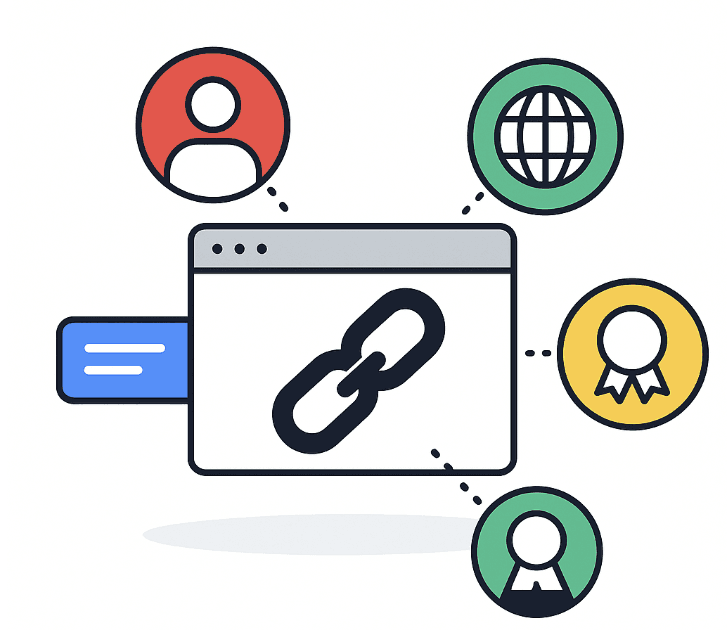
A useful reference should make sense without looking at its authority score. Review whether it serves a relevant audience or subject, has useful surrounding content, reflects independent editorial judgment, identifies sponsorship where applicable, and presents accurate business information.
Relevance
Does the site relate to your industry or location?
Editorial Quality
Is the reference useful and independently chosen? Scores are not Google’s approval.
Diversity
Are you building links from different sources, not just repeats?
Practices to Avoid
Avoid purchased ranking links, bulk automated placements, irrelevant exchanges and keyword-stuffed links distributed across unrelated sites. Qualify paid promotions appropriately. Evaluate the actual page and its purpose; a foreign domain, a low traffic estimate or a sidebar location alone does not establish harm or justify disavow.
Our Backlink Strategy at Local Howl
Begin with the site’s existing references and the actual sources that appear relevant to its industry or community. A documented prospect list should explain why each source matters, what resource could help its readers and what outreach or verification remains pending. Our local link building services page explains the evaluation and outreach approach. Technical SEO and on-page work have separate roles; a link campaign is not a substitute for a usable, relevant website.
Authority Scores: Limits to Remember
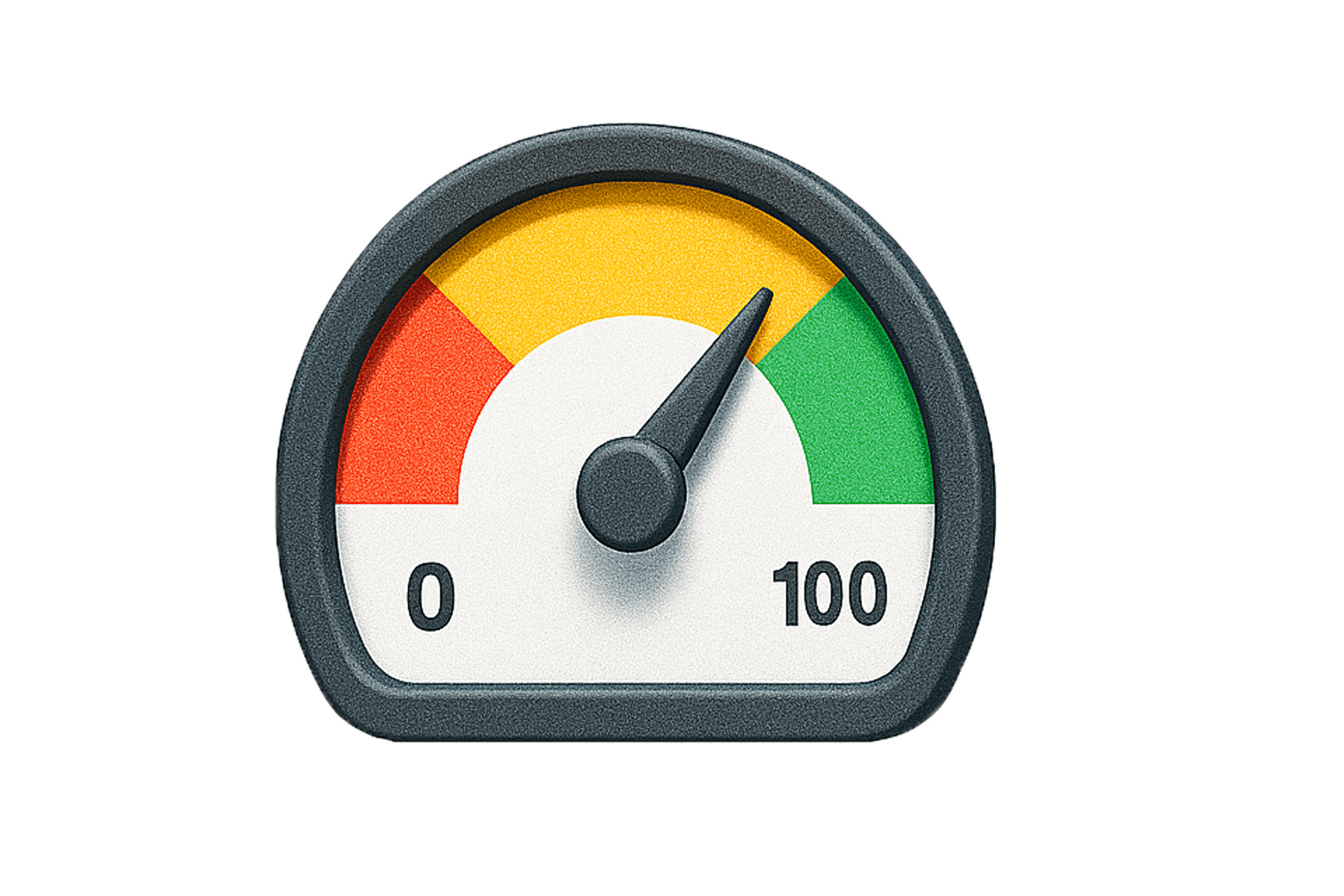
Different tools use different proprietary methods and link indexes. A score is not a Google ranking target or a promised business result. Compare relevant sources and measured search outcomes, not score changes alone. Unfamiliar links or a toxicity flag do not automatically justify disavow.
You Don’t Have to Figure It Out Alone
If you need help, start with a scoped review of relevant sources, existing link history and the resources your business can genuinely contribute. The next step should be based on evidence, not a promised authority score.
Build Relevant References, Not Just a Score
Review the sources, resources and outreach decisions behind a local link building plan.